Creative Adventures - podcast and Substack newsletter logo
On synaptic pruning - an essay by @stevexoh

On synaptic pruning
by Steve Xoh

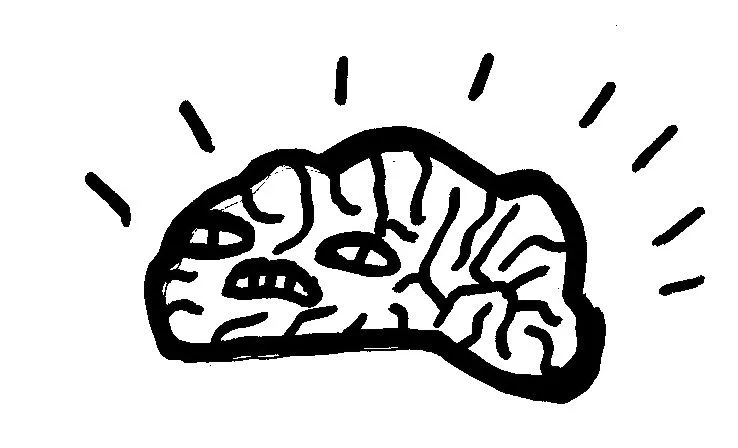
A well-known neuroscience aphorism says that “neurons that fire together, wire together”. In other words, when two neurons in the brain repeatedly fire at the same time, the connection between them strengthens. This is part of how we learn. The more often we do something, from playing a musical instrument to opening a door, the more the brain lays down and reinforces that particular pathway until it becomes automatic. Synaptic pruning is the brain’s way of doing the opposite, a kind of quiet neural gardening in which it gets rid of connections it no longer needs, trimming away the weak and unused so that the pathways it relies on can work more efficiently.

I first came across the term synaptic pruning in an article I stumbled across in 2025 that explained how and why the brain does this important bit of routine maintenance. In early childhood, the brain creates a huge surplus of neural connections, partly to maximise its ability to learn and adapt as we try to make sense of the world. But as we get older, a number of these connections are either never used or become less and less useful. These weak or unused connections are chemically tagged and specialised immune cells in the brain, known as microglia, break them down and clear them away, making the whole system more coherent and efficient.

Pruning begins around the age of two but increases steeply during the teenage years and into our late twenties, helping us develop more “adult” capacities such as decision-making, emotional regulation and abstract thought. The thing I remember most vividly about this article, though, was the suggestion that synaptic pruning may be part of the reason teenagers can become more withdrawn and monosyllabic, simply because of the intense amount of change and remodelling their brains are going through.

This Substack became a teenager last month and it was that which reminded me of the synaptic pruning article. It made me wonder whether there was a kind of pruning that needed to occur in order for my relationship with it to mature and for me to continue accessing an exciting, spontaneous flow in writing it. What are the redundant processes and rituals that have now become superfluous and need to break down in order to make space for new ones?

It strikes me that this kind of neurological gardening is important to all creative practice: paying attention to the balance between novelty and familiarity, and noticing when we are becoming so hard-wired into comfort and routine that we drift away from the very practice we set out to explore. And I should say that I have nothing against comfort zones. I like having a comfort zone and regularly roll my eyes at overly macho articles that suggest we should always be striving for discomfort. But what feels important to me here is finding a kind of sweet spot of discomfort where we feel safe enough to move towards the unknown without becoming overwhelmed by it, and in doing so reclaim some of the magic of not quite knowing what we are doing, but doing it anyway.

This essay was originally published on Substack. You can listen to the podcast in which Steve talks about this essay via the listening links below.

On synaptic pruning
by Steve Xoh

A well-known neuroscience aphorism says that “neurons that fire together, wire together”. In other words, when two neurons in the brain repeatedly fire at the same time, the connection between them strengthens. This is part of how we learn. The more often we do something, from playing a musical instrument to opening a door, the more the brain lays down and reinforces that particular pathway until it becomes automatic. Synaptic pruning is the brain’s way of doing the opposite, a kind of quiet neural gardening in which it gets rid of connections it no longer needs, trimming away the weak and unused so that the pathways it relies on can work more efficiently.

I first came across the term synaptic pruning in an article I stumbled across in 2025 that explained how and why the brain does this important bit of routine maintenance. In early childhood, the brain creates a huge surplus of neural connections, partly to maximise its ability to learn and adapt as we try to make sense of the world. But as we get older, a number of these connections are either never used or become less and less useful. These weak or unused connections are chemically tagged and specialised immune cells in the brain, known as microglia, break them down and clear them away, making the whole system more coherent and efficient.

Pruning begins around the age of two but increases steeply during the teenage years and into our late twenties, helping us develop more “adult” capacities such as decision-making, emotional regulation and abstract thought. The thing I remember most vividly about this article, though, was the suggestion that synaptic pruning may be part of the reason teenagers can become more withdrawn and monosyllabic, simply because of the intense amount of change and remodelling their brains are going through.

This Substack became a teenager last month and it was that which reminded me of the synaptic pruning article. It made me wonder whether there was a kind of pruning that needed to occur in order for my relationship with it to mature and for me to continue accessing an exciting, spontaneous flow in writing it. What are the redundant processes and rituals that have now become superfluous and need to break down in order to make space for new ones?

It strikes me that this kind of neurological gardening is important to all creative practice: paying attention to the balance between novelty and familiarity, and noticing when we are becoming so hard-wired into comfort and routine that we drift away from the very practice we set out to explore. And I should say that I have nothing against comfort zones. I like having a comfort zone and regularly roll my eyes at overly macho articles that suggest we should always be striving for discomfort. But what feels important to me here is finding a kind of sweet spot of discomfort where we feel safe enough to move towards the unknown without becoming overwhelmed by it, and in doing so reclaim some of the magic of not quite knowing what we are doing, but doing it anyway.

This essay was originally published on Substack. You can listen to the podcast in which Steve talks about this essay via the listening links below.

(C) Stevexoh 2025